Why Chinese Tourists Are Heading North
Chinese tourism to Norway is back - and growing fast. Here's what they're looking for, and how they find it.

A Market That's Coming Back Strong
The numbers tell a clear story. Chinese guest nights in Norway surged to over 200,000 in 2024 - a 143% increase - signaling the recovery of one of the most valuable long-haul tourism markets in the world. And according to research on Chinese travel behavior in the Nordic region, Norway is the most popular Nordic country among Chinese tourists, Central, ahead of Sweden, Denmark, Finland and Iceland.
This isn't just a post-COVID rebound. It's the continuation of a longer trend. The number of hotel guest nights by Chinese tourists in Norway increased by around seven times between 2005 and 2018, and China has been the dominant Asian source market for Norwegian tourism for years. The opportunity is real – and it's growing again.
Why Norway and the Nordics Feel Exotic to a Chinese Traveler
To understand the appeal, you have to understand the contrast. Most Chinese cities are dense, warm, fast-moving, and visually familiar. The Nordic countries offer the opposite on almost every dimension.
The fjords, the open space, the clean air, the silence, the snow. These are not things that most Chinese travelers can experience at home. Norwegian and Nordic architecture is an area of fascination for the Chinese – they love it so much that they've recruited the Norwegian firm Snøhetta, the studio behind the Oslo Opera House, to design the Shanghai Grand Opera House.
Food is another draw. Chinese food travelers will not miss the allure of fresh Norwegian pastries in local bakeries, or the stockfish, the traditional unsalted cod drying in the cold Nordic air. Food tours that combine sightseeing with local tasting experiences have become particularly popular.
Then there's the northern lights, arguably the single most powerful draw for Chinese winter travelers. The aurora borealis carries cultural weight in China that goes beyond simple curiosity. A long-held tradition – that conceiving a child under the northern lights brings lifelong good fortune – has gained significant traction on social media, driving a wave of young couples to the Arctic. In Norway, 32% of foreign tourists in the 2019 winter season were specifically northern lights tourists.
For a Chinese traveler, Norway is not a summer beach destination. It's a once-in-a-lifetime landscape, laced with symbolism, aesthetic beauty, and the kind of difference you can't fake.

How Chinese Tourists Plan a Nordic Trip
Planning a trip to Norway from China is not a casual affair. 94% of Chinese outbound travelers visit price comparison websites before booking their trips, and they research very thoroughly. The average traveler will spend weeks in the planning phase, working across multiple platforms before making a single booking.
The digital journey typically looks like this:
1. Inspiration on Xiaohongshu and Douyin
Douyin, Xiaohongshu, and WeChat are the three top social media platforms for outbound travel inspiration. A travel post about Lofoten or Tromsø by the right creator can seed a destination in a Chinese traveler's mind months before they book.
2. Research on Mafengwo and community groups
Chinese tourists use Mafengwo to post travel diaries, share itineraries, and browse in-depth guides. The platform's community system lets users join destination-specific groups where they exchange tips. A Europe backpacking group or a Nordic travel club can be enormously influential in shaping where someone goes, where they sleep, and what they eat.
3. Booking on Ctrip
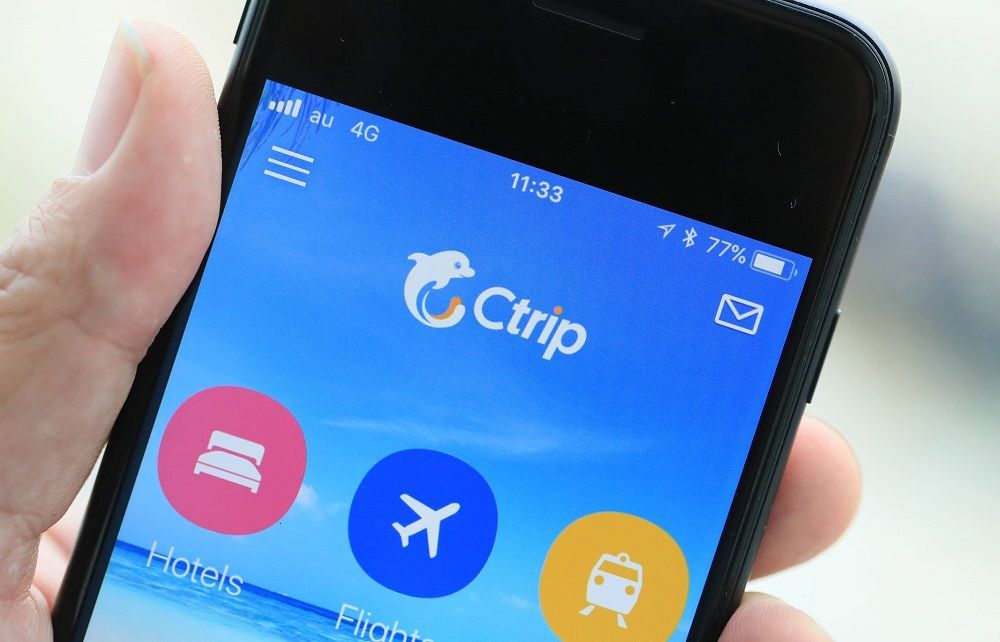
When it comes to booking, Ctrip is the clear favorite for Chinese travelers of all ages. Flights, hotels, attraction tickets, tour packages, it all comes together there. Being visible and well-positioned on Ctrip is therefore not optional for any Nordic tourism business serious about the Chinese market.
4. Navigating in-destination via WeChat and mobile
In-destination tools such as WeChat mini-programs, Dianping, and Ctrip's Virtual Tour Manager are increasingly used by Chinese travelers on the ground. And 76% of online bookings in China are made via mobile device – meaning the phone is not just a communication tool, it's the traveler's operational center.
The Shift Toward Independent Travel
Group bus tours used to define Chinese tourism to Europe. That image is increasingly outdated. Travelers born in the 1990s and 2000s are more likely to believe that independent travel is superior to group travel, offering more flexibility and a unique experience. Chinese travelers are now planning to visit an average of 5.5 destinations per trip, a sharp rise from 3.8 in 2024 – combining Norway with Sweden, Denmark, or Iceland into a broader Nordic itinerary.
This means they arrive with a detailed, self-built plan, and they share everything. 60% of Chinese outbound travelers post to social media 3–5 times a day while traveling. The traveler is not just a consumer of the experience. They become a content creator for it, reaching hundreds or thousands of followers back in China in real time. Every hike, every meal, every view from a Norwegian mountain becomes a potential inspiration post for the next wave of travelers.
What This Means for Norwegian Businesses
The Chinese tourist visiting Norway is typically experienced, digitally fluent, and highly influenced by content created by people they trust. They are not waiting for a brochure. They've already read 20 REDNote posts about Flåm, watched a Douyin video of the Bergen cable car, and checked Ctrip reviews of three different hotels in Tromsø.
The question for Norwegian tourism businesses isn't whether this market exists. It clearly does, and it's growing fast. The question is whether you're visible in the right places, in the right language, with the right content, before someone else is.
That's what we help with at Unimedia – through our concept
Gems of Norway, built specifically to connect Norwegian experiences with Chinese travelers at every stage of their journey.
Share the article
Read other articles